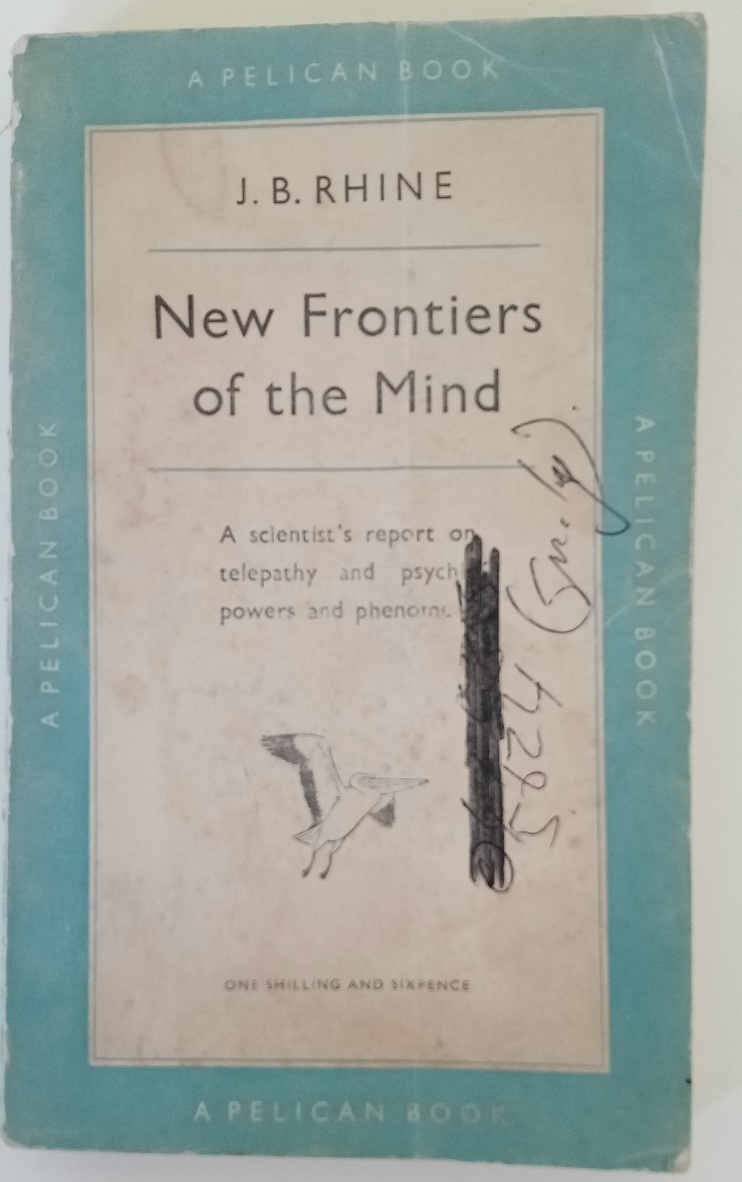
The Story of the Duke Experiments
1st Pelican edition 1950
Condition: Cover shows some wear and foxing book; internally tanned but binding still good and tight.
Price commensurate to condition.
221 pages, Paperback, 18x11x1cm
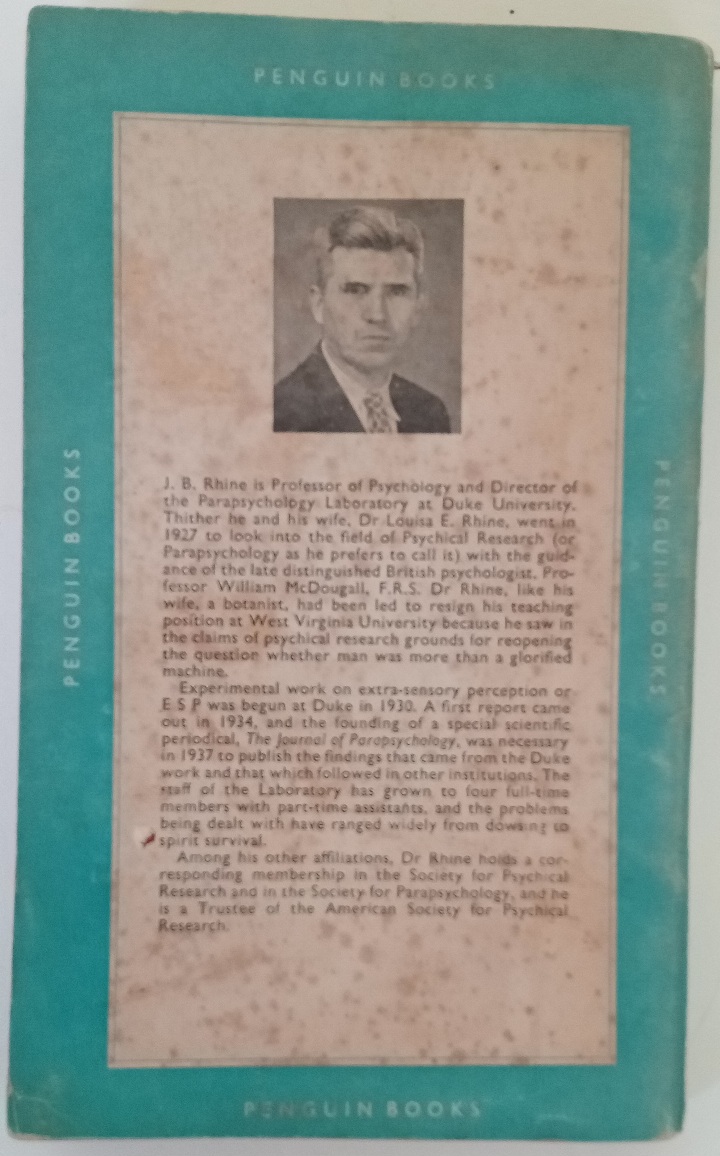
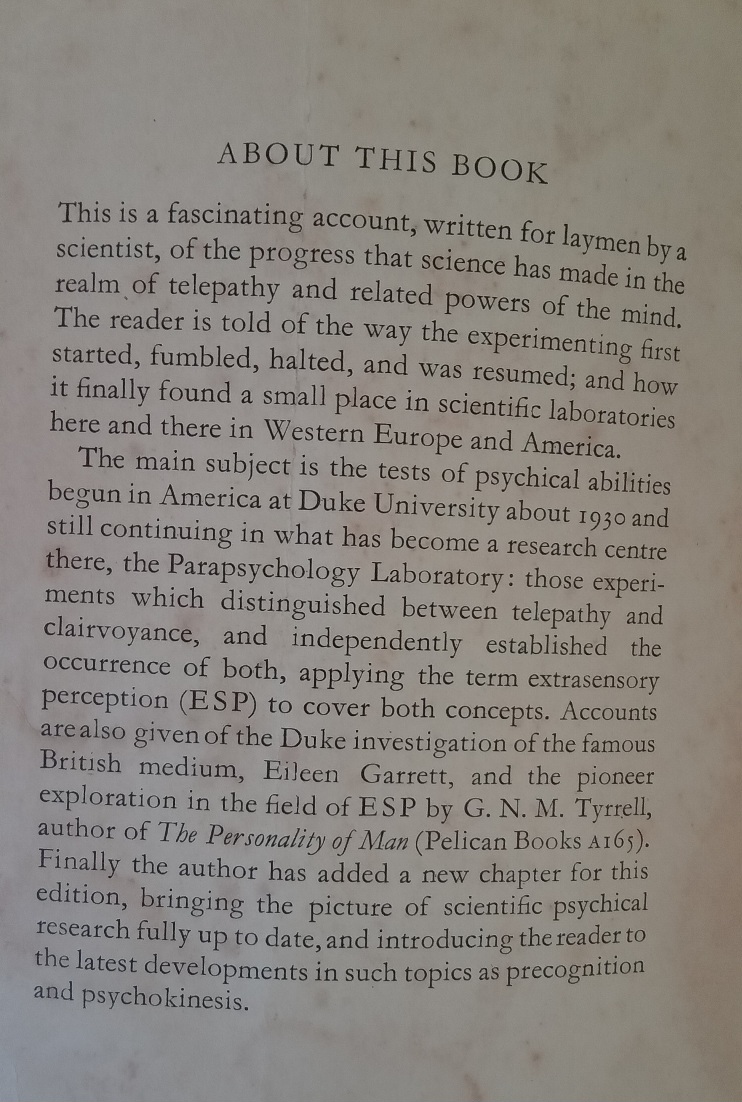
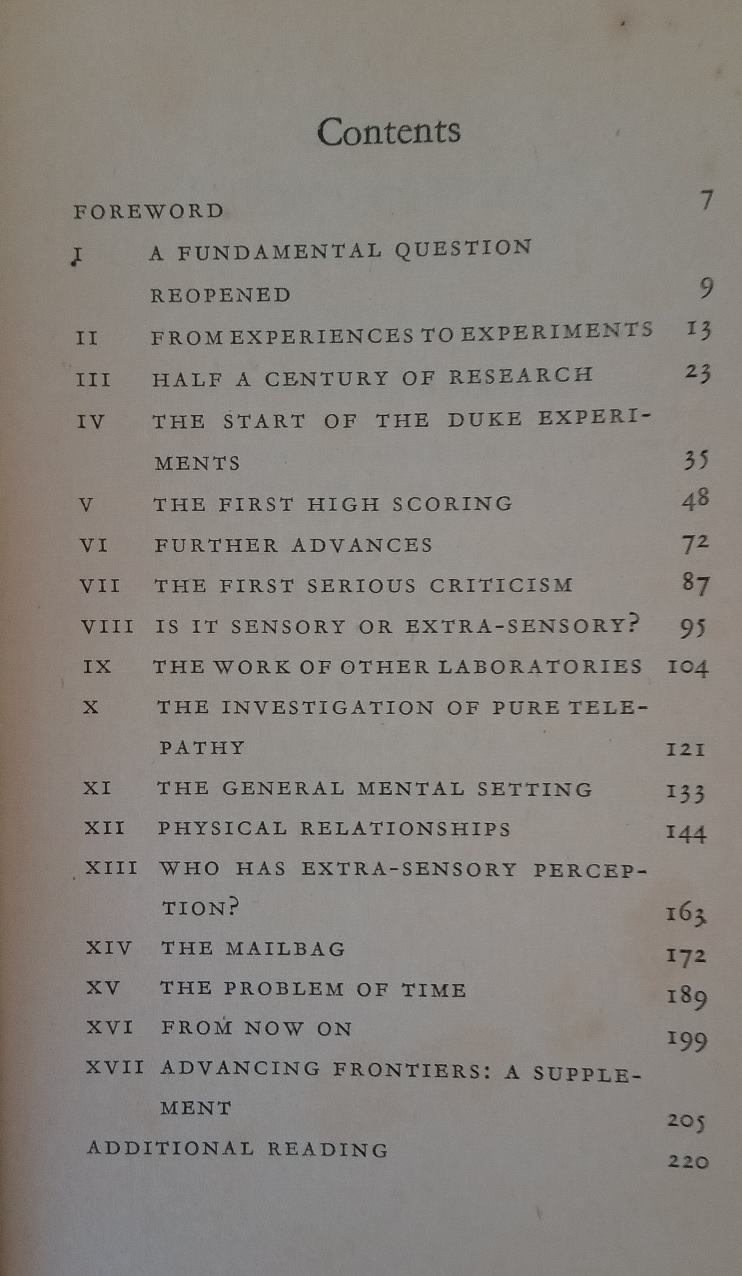
New Frontiers of the Mind (1937) by J.B. Rhine outlines early, controversial Duke University experiments into parapsychology, specifically investigating ESP and clairvoyance. Using Zener cards, Rhine reported evidence for mental powers beyond sensory perception, though the findings faced criticism regarding methodology and repeatability.
Key Aspects of the Book and Studies:
- Parapsychology Foundation: The book established Rhine as a key figure in treating extrasensory perception (ESP) as a scientific field.
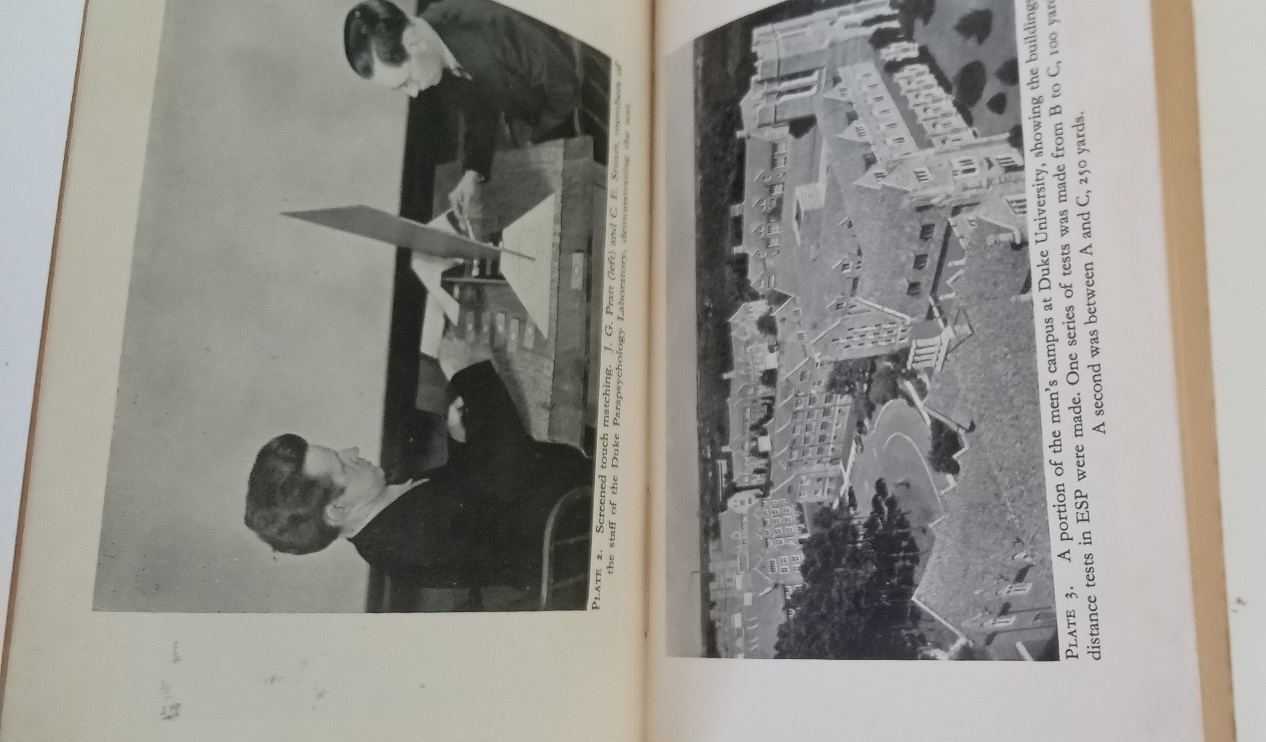
- Experiments: Detailed experiments included card-matching tests to measure clairvoyance and telepathy, including long-distance tests that suggested, to Rhine, that distance did not affect ESP.
- Criticism: Critics pointed to issues with the, in some cases,, “fragmentary evidence” and questioned the validity of the, often, “faulty calculations” used in the research.
- Legacy: The work documented in the book, including the use of specialized, “ESP test cards”, laid the groundwork for modern parapsychological research.
The book is considered a significant, albeit controversial, historical text in the study of, in some cases, “non-physical mental phenomena”.
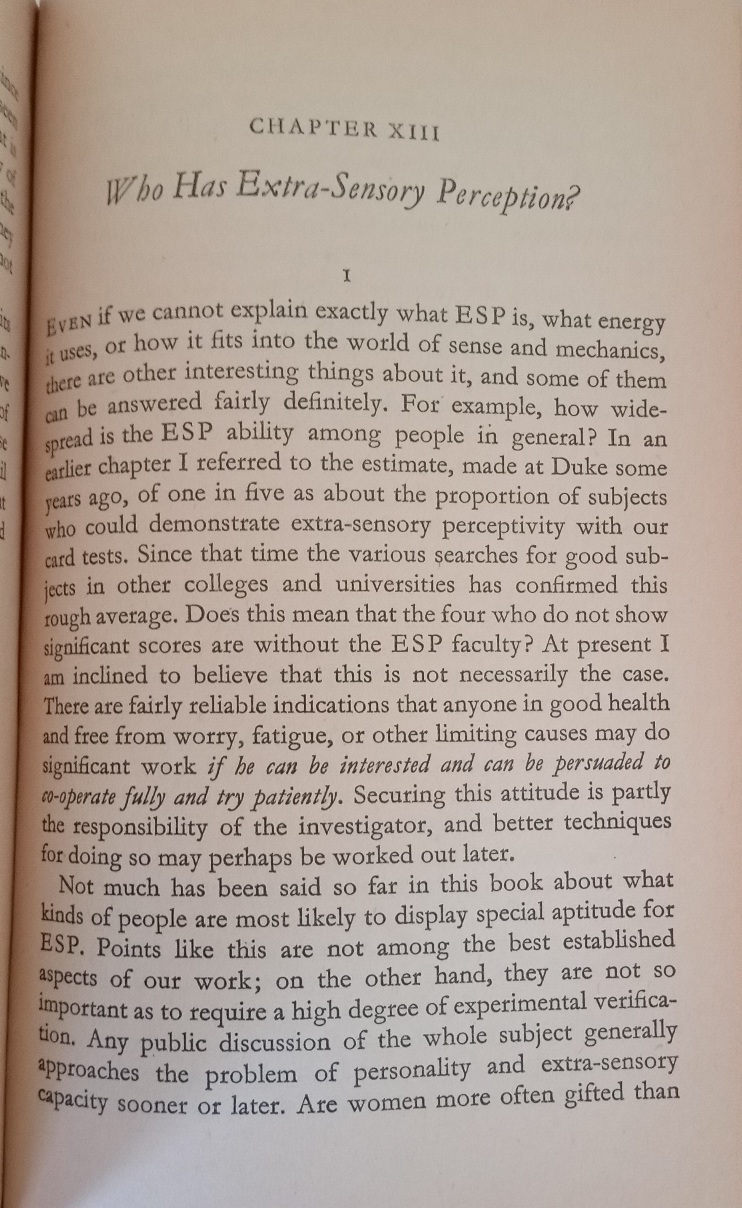
Definition of ESP: Rhine introduced and defined the term “extrasensory perception” (ESP) as the ability to gain information outside of the known sensory channels. He believed these abilities could be studied scientifically and were evidence of a non-physical aspect of the human mind.
Duke Experiments: The primary focus is the “story of the Duke experiments,” which involved thousands of tests with subjects, often students, to see if they could guess the symbols on the Zener cards at a rate significantly higher than chance.
Challenging Conventional Science: Rhine’s findings were presented as scientific evidence that challenged the prevailing materialistic doctrines of the time. He argued that his results, while not always perfectly repeatable, showed a strong suggestion that paranormal abilities exist.